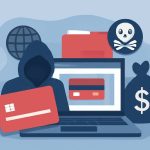
The digital payment landscape is vast, but beneath the surface lies a parallel ecosystem built around compromised financial data. For those navigating this space—whether as security researchers, merchants seeking fraud prevention insights, or individuals exploring the boundaries of online transactions—terms like non vbv bins, cardable sites, and legit cc shops represent both opportunity and risk. This article dives deep into each concept, explaining how they interconnect and what operational realities define them.
What Are Non-VBV BINs and Why Do They Matter?
A BIN (Bank Identification Number) is the first six digits of a credit or debit card. Financial institutions use these numbers to route transactions, but not all BINs are equal when it comes to security protocols. VBV stands for Verified by Visa—a 3D Secure authentication step that requires cardholders to enter a password or one-time code. A non vbv bin refers to a card number that does not trigger this additional verification during checkout. This makes them highly sought after in underground markets because they simplify the checkout process when using stolen card data.
BINs can be classified by issuer, country, card type (credit, debit, prepaid), and authorization requirements. Non-VBV BINs typically originate from regions where 3D Secure implementation is weak or from specific issuing banks that haven't enabled the protocol. For example, many prepaid cards issued in certain Eastern European countries or business credit lines in the United States may be non-VBV. However, the landscape shifts constantly: banks update their security measures, and what was non-VBV last month might be fully enrolled today.
To truly leverage non vbv bin list data, one needs real-time access to validated databases. These lists are often sold by vendors who compile them by testing BINs against payment gateways that reveal authentication status. The reliability of such lists depends on how recently the BIN was tested and whether the bank has changed its policies. A common mistake is assuming that a BIN remains non-VBV indefinitely. In reality, stale lists lead to failed transactions and wasted funds. Advanced actors combine BIN databases with fresh card details and proxy networks to maximize success rates.
Additionally, non-VBV does not mean no risk. Payment gateways may still flag suspicious transactions through velocity checks, IP geolocation mismatches, or AVS (Address Verification Service) mismatches. Therefore, understanding the entire checkout workflow—not just the BIN—is critical. Sellers who offer linkable cards often pair them with instructions on what shipping details or billing information to use, increasing the odds of a successful authorization.
Cardable Sites and the Art of Finding Them
Not every e-commerce store is vulnerable to fraud. Cardable sites are online merchants whose payment processing systems lack robust anti-fraud filters, making them easier to purchase from with compromised card data. These sites typically have weaknesses such as no AVS enforcement, no 3D Secure requirement, or minimal shipping verification. They may also accept prepaid digital goods (like gift cards or software licenses) where delivery is instant and no physical address validation occurs.
Identifying cardable sites requires a mix of research, testing, and community intelligence. Dedicated forums and legit cc shops often publish curated lists of verified cardable merchants, categorized by product type (electronics, digital services, clothing) and region. For instance, a site selling VPN subscriptions might be highly cardable because the product is intangible and the transaction amount is low. Conversely, a high-end electronics retailer with a strict CVV match and billing address check is far less likely to succeed.
It is important to understand that "cardable" is a dynamic state. A site that works today may implement new security measures tomorrow. Successful operators use live testing—running small test transactions to confirm a merchant's vulnerability before committing larger amounts. They also use linkable cards, which are full card profiles (including BIN, CVV, expiration, and ideally the cardholder's billing details) that have been pre-validated for specific types of purchase. These cards are often sold by reputable vendors who guarantee a certain success rate on select sites.
Furthermore, cardable sites are not limited to mainstream e-commerce. Subscription platforms, donation portals, and even some government fee payment systems can be exploited if their fraud filters are outdated. The key is to match the card profile to the merchant's requirements. For example, a US-based non-VBV BIN will work best on a US site that does not require 3D Secure. European sites frequently rely on 3D Secure, making non-VBV BINs from European issuers especially valuable.
One emerging trend is the use of carding bots that automate the checkout process across multiple sites simultaneously, testing thousands of card + site combinations per minute. These bots scrape product pages, fill forms, and bypass CAPTCHAs using solver services. While technically complex, they represent the cutting edge of operational carding.
The Role of Legit CC Shops and Verified Vendors in the Ecosystem
Navigating the underground carding economy requires trust—a rare commodity. Legit cc shops are private storefronts that sell stolen credit card data, often in the form of "dumps" (magnetic stripe data) or "fullz" (complete cardholder identity). The term "legit" here refers to the shop's reputation for providing valid, fresh data rather than scam or recycled information. These shops typically operate on invitation-only forums or hidden services, and they use escrow systems to protect both buyer and seller.
What distinguishes a high-quality legic cc shop from a low-tier one is its verification process. Top vendors test every card manually before listing it, ensuring that the balance is sufficient and that the card still works. They also provide details such as BIN, card type, issuing bank, country, and sometimes the cardholder's date of birth or social security number (for fullz). A reliable shop will replace a dead card within a short window, usually 24 to 48 hours. Many also offer bin non vbv filters so buyers can quickly filter for cards that bypass 3D Secure.
Pricing in these shops varies wildly. A single non-VBV card with a high balance might cost $50–$200, while bulk bundles of "tested" cards (often with lower balances) can go for $10–$30 each. Some shops also sell linkable cards specifically prepped for certain sites—these are premium products with higher price tags because they come with instructions on how to use them without triggering fraud flags.
Real-world case studies illustrate the importance of vendor reputation. In 2023, a well-known underground forum banned three shops after customers reported that 70% of purchased non vbv bin list entries were outdated. Conversely, a shop called "AlphaBase" (a fictional name for illustration) maintained a 95% success rate on tested cards for over six months before law enforcement seized its servers. The lesson: even the best legit cc shops are transient. Buyers must constantly monitor feedback, check for chargeback ratios, and diversify sources.
Anchoring the entire ecosystem are aggregators that compile and sell curated data sets. For example, one popular aggregator offers a monthly subscription that includes daily updates to their cardable sites database, a live non-VBV BIN list, and access to verified vendor ratings. A link to such a resource is often shared within trusted communities. For those looking to explore this world further, sources like non vbv bin provide updated lists and vendor referrals.
Finally, ethical and legal considerations cannot be ignored. Engaging in carding practices—whether buying or selling stolen data—is illegal in most jurisdictions. This article is intended for educational purposes only, to help security professionals understand the mechanics of fraud so they can better protect their systems. The techniques described are widely documented in cybersecurity literature and are not a guide to committing crimes.