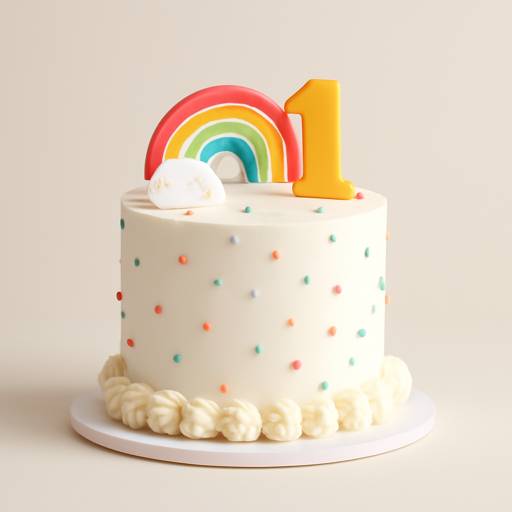
From Buttercream Dreams to Custom Themes: The Ultimate Guide to Birthday Cakes in Singapore
Singapore’s love affair with birthday cakes is no secret. Whether it’s a child’s first birthday party decked out in unicorn pastels, a milestone 50th celebration with gold leaf accents, or a surprise corporate gathering featuring a logo-embossed cake, the demand for personalised confections has never been higher. In a city where food culture is revered and visual presentation matters, the humble birthday cake has evolved into an edible centrepiece that tells a story. But with so many bakeries, home bakers, and specialty shops offering everything from classic chocolate sponges to gravity-defying sculpted creations, finding the perfect cake can feel overwhelming. This guide dives deep into what makes Singapore’s birthday cake scene truly unique—from innovative flavour profiles to low-sugar alternatives—and why more celebrants are turning to skilled artisans to craft bespoke masterpieces that taste as good as they look.
The Art of Personalisation: Why Custom Cakes Are Taking Over Birthday Celebrations
Gone are the days when a simple sheet cake from a supermarket bakery would suffice. Today, Singaporeans expect their birthday cakes to reflect the personality, hobbies, and even the career of the guest of honour. Personalisation goes far beyond writing a name in icing; it involves intricate hand-painted designs, 3D fondant figurines, and edible printed images that mirror a loved one’s passions. For instance, a football enthusiast might receive a cake shaped like a stadium, complete with turf-textured buttercream and a fondant jersey. A K-pop fan might request a cake adorned with light sticks and album covers, while a teacher could be surprised with a stack of books and an apple carved from modelling chocolate.
The trend toward customisation also extends to flavour pairing. While vanilla and chocolate remain perennial favourites, Singaporeans are increasingly experimenting with localised tastes. Pandan gula melaka cakes have become a staple at gatherings, offering a fragrant, caramel-like sweetness that resonates with the multicultural palate. Savoury elements like salted egg yolk, durian, or even cheese foam are occasionally incorporated to create a memorable contrast. Additionally, many bakeries now offer tiered sampling sessions or “flavour consultations” to ensure the final product matches the celebrant’s preferences exactly.
One noteworthy case study is the growing popularity of number-shaped cakes for milestone birthdays. Instead of a traditional round or square base, these cakes are baked in the shape of the age – 30, 40, 50 – and then decorated with fresh flowers, drip glaze, or metallic dust. They are especially popular at milestone parties because they instantly draw the eye and create a strong visual focal point for photographs. Another emerging sub-trend is the “cakepop” or “cake cup” alternative, where individual mini-cakes are arranged in a flower-like bouquet. This format works well for large parties where guests can grab and go without needing a knife or plate. All these innovations point to a broader desire: to make the birthday cake not just a dessert, but a highly personal statement.
Low-Sugar, High-Flavor: The Health-Conscious Revolution in Singapore’s Cake Scene
Singapore’s reputation as a health-conscious nation is well earned, and the bakery industry has responded accordingly. Many customers now specifically request low-sugar birthday cakes without sacrificing the rich texture or aesthetic appeal. The challenge lies in reducing refined sugar while maintaining moisture, crumb structure, and the sweetness that makes a cake celebratory. Skilled bakers have turned to natural sweeteners such as monk fruit, erythritol, or coconut nectar, and they often balance these with flavour enhancers like vanilla bean paste, citrus zest, or high-quality cocoa. The result is a cake that feels indulgent but leaves diners feeling lighter—perfect for parties where guests of all ages, including diabetics and those watching their intake, can partake.
Beyond sugar reduction, the demand for cleaner ingredients has also reshaped how cakes are sourced and produced. More bakeries now advertise no preservatives, no artificial colouring, and no shortening. Butter is preferred over margarine, and organic eggs or free-range milk are increasingly used. Some artisans even offer vegan or gluten-free variations, using aquafaba for meringue or almond flour for the sponge. An illustrative example is the rise of “naked cakes” – cakes with minimal external frosting that showcase the natural crumb and layers. These cakes not only look rustic and elegant but also signal to health-conscious buyers that the cake contains less sugar and fat than a fully iced alternative.
Another real-world application can be seen in corporate orders. Multinational companies in Singapore often order large customised cakes for team celebrations, but they also need to accommodate dietary restrictions across a diverse workforce. Bakeries like Bob the Baker Boy have mastered this balance, offering personalised creations that are all freshly baked with low sugar and tailored to specific themes. This approach has made customised cakes a popular choice for office events, where the cake must please both the casual eater and the nutrition-conscious colleague. For families, low-sugar options mean that children can enjoy a slice without a post-party sugar crash, and grandparents can join in without worry. As Singapore’s population ages and health literacy rises, the low-sugar revolution in birthday cakes is likely to continue—and it’s a trend that benefits everyone at the table.
Flavours of the Lion City: Integrating Local Heritage and Modern Trends
While global flavours like red velvet, salted caramel, and matcha have a firm foothold in Singapore, it’s the local twists that truly set birthday cakes in Singapore apart. One classic example is the Ondeh Ondeh cake: layers of pandan sponge filled with gula melaka buttercream and topped with desiccated coconut, mimicking the familiar kuih. Another is the Durian Mao Shan Wang cake, where real durian pulp is folded into a light cream and sandwiched between chiffon layers. These creations are not just gimmicks; they celebrate the tastes that Singaporeans grew up with, and they often become the most talked-about element at any party. Bakeries frequently rotate seasonal flavours—such as mango with sticky rice for Vesak Day or yam paste for Mid-Autumn Festival—tying the cake to the cultural calendar.
Modern trends also intersect with heritage. The “bubble tea cake” is a perfect example: a brown sugar boba-flavoured sponge with chewy tapioca pearls hidden inside the filling, topped with a cream cheese frosting that tastes like a milk tea drink. Social media has catalysed the popularity of such novelty cakes, with influencers and food bloggers posting videos of the “pearl pull” effect when a slice is cut. Another emerging trend is the use of local fruits like soursop, starfruit, or jackfruit in compotes and curds, providing a tangy counterpoint to sweet buttercream. Some bakers even experiment with savoury elements like crispy bacon bits or curry leaf powder for a spicy kick, though these remain niche.
A fascinating sub-topic within this section is how customisation allows customers to fuse multiple cultural elements. For a mixed-heritage family, a cake might combine a traditional Chinese red bean base with a Western Swiss meringue buttercream, decorated with both gold leaf and a topper of the birthday person’s zodiac animal. This cultural tapestry is uniquely Singaporean and cannot be replicated elsewhere. When searching for a one-of-a-kind celebration centrepiece, selecting birthday cakes singapore offers locally-inspired artistry that honours both heritage and innovation. The result is a cake that is not only visually stunning but also narrates the story of the person and the place. With each bite, guests taste a little piece of Singapore’s identity—sweet, diverse, and always surprising.